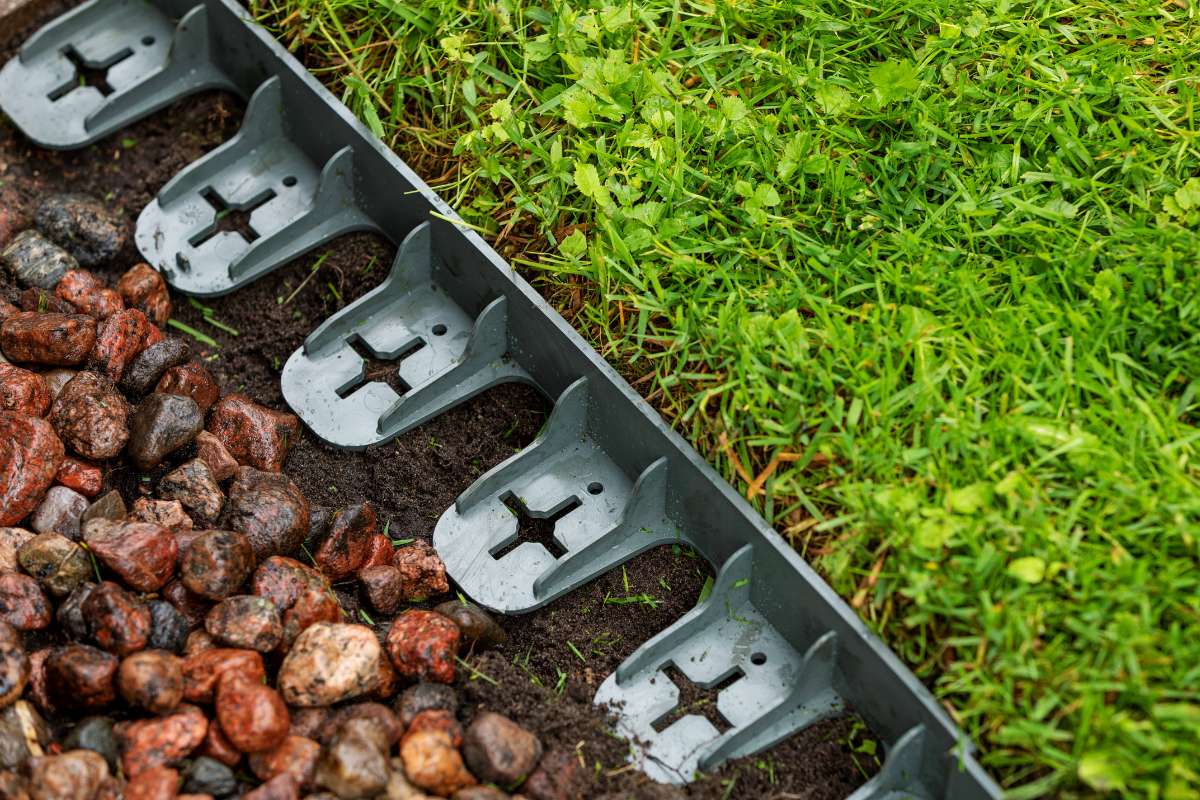
How many times have you spent a sunny Saturday pulling grass out of your mulch, only to watch it return by next month? Landscape professionals refer to this endless backyard invasion as "bed creep." In practice, cheap plastic borders inevitably suffer from material heaving during winter freeze-thaw cycles, which pushes the flimsy edging upward and lets aggressive grass roots slide right underneath. Upgrading to metal landscape edging stops this frustrating maintenance cycle permanently.
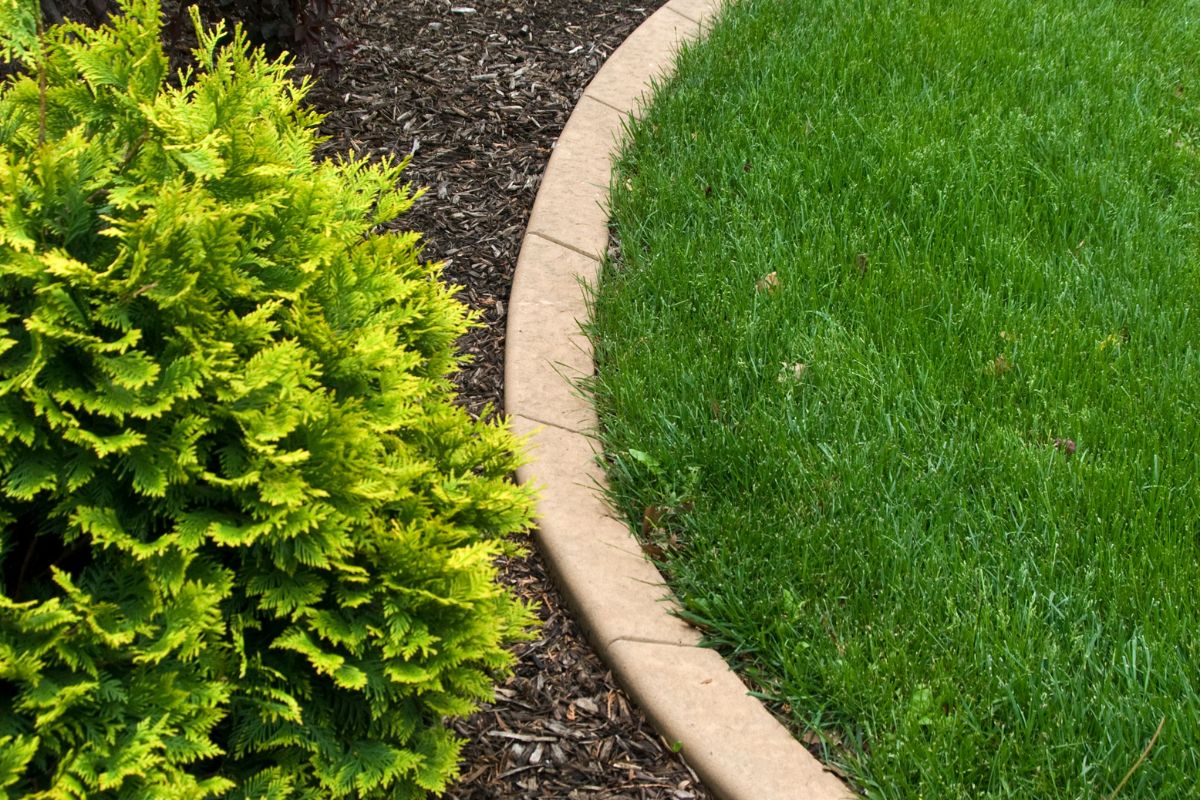
According to garden designers, installing a solid metal landscape border—a durable metal border—provides crisp, architectural lines that instantly elevate your property's overall curb appeal. Whether you select lightweight aluminum or heavy-duty steel, this resilient upgrade won't shatter under an accidental lawnmower strike, offering a true "one-and-done" solution that lets you reclaim your summer weekends.
Steel vs. Aluminum: Comparison Table
Choosing the right material depends on your local climate, soil type, and aesthetic goals. Use this table to determine the best fit for your project:
Feature
Steel Edging
Aluminum Edging
Best For
Modern/Rustic looks, rocky soil, straight lines
Coastal/Humid areas, DIY ease, tight curves
Durability
Extreme (Heavy-duty, impact resistant)
High (Naturally corrosion-proof)
Aesthetics
Corten (Patina) or Powder-coated
Minimalist, metallic, or painted
Flexibility
Rigid (Requires pre-bending for curves)
High (Wraps easily around beds)
Maintenance
Minimal (Depends on finish)
Zero (Will not rust)
Technical Specs: Understanding Gauge and Height
The secret to a lasting border lies in selecting the right material thickness. Metal thickness is measured in gauge—the lower the number, the stronger the barrier.
- 14-Gauge: Roughly as thick as a nickel. This provides excellent resistance against heavy foot traffic or stray stones kicked up by mowers.
- Higher Gauges (16-18): Thinner and more cost-effective; best suited for protected flower beds with low traffic.
- Soil Considerations: Soft, sandy earth requires taller edging to achieve a deep, secure anchor, while ground packed with hard clay demands a lower-gauge (thicker) metal to safely slice through the soil without bending.
Stopping "Bed Creep" with a Professional Root Barrier
Preventing grass from invading flower beds requires treating the problem underground. Turf grasses spread using horizontal runners called rhizomes, which easily slip beneath shallow plastic borders.
By using metal flower bed edging as a root barrier, you can drive the material several inches deep to form a subterranean wall. Because metal has an incredibly thin profile, it slices cleanly into the earth without creating a bulky, unsightly mound. Sinking the edging to this ideal depth blocks tunneling roots entirely and prevents the classic frost heave headache where frozen soil squeezes lightweight materials out of the ground.
Lawnmower-Safe Borders: The Rolled-Top Edge
Traditional plastics become brittle and crack upon impact. Heavy-duty metal lawn edging absorbs glancing blows from mowers and string trimmers without flinching.
Pro Tip: For maximum safety, look for a rolled-top edge. By folding the top rim of the metal over itself, this design creates a blunt, smooth profile that protects bare feet and pets while providing a dependable track for landscaping equipment.

Planning Your Installation
This single-weekend project provides a resilient, professional-grade boundary. Follow these steps for a successful install:
- Mark Your Lines: Use a garden hose to visualize flowing curves or stakes for architectural straight lines.
- Trench the Path: Use a sturdy steel landscaping edger or spade to clear a narrow path.
- Set the Depth: Sink the border deep enough to block roots but leave the rolled top visible for safety and aesthetics.
- Secure the Sections: Connect preformed sections to ensure a continuous barrier against "bed creep."
Frequently Asked Questions
Q: Why do plastic borders fail compared to metal? A: Plastic edging is lightweight and susceptible to "frost heave," where winter freeze-thaw cycles push it out of the ground. Once it rises, grass roots (rhizomes) crawl underneath. Metal is rigid and thin, allowing it to be anchored deep as a permanent subterranean wall.
Q: Will steel edging rust? A: It depends on the finish. Corten steel is designed to develop a protective rust-colored patina that seals the inner metal. Standard steel is often galvanized or powder-coated to prevent corrosion. If you live in a coastal area with high salt spray, aluminum is the best rust-proof alternative.
Q: Is metal edging dangerous for kids and pets? A: Not if you choose a rolled-top profile. This design hemms the sharp top edge into a smooth, rounded rim, making it safe for bare feet and paws while maintaining the structural integrity of the border.
Q: Can I use metal edging for curves? A: Yes. Aluminum is naturally flexible and ideal for tight, circular beds. Steel can also be curved, but usually requires more effort or pre-formed sections for very tight radiuses.
Landscape Edging Company Near You
For those seeking a truly bespoke finish that bridges the gap between DIY hardware and high-end landscape architecture, Kustomized Kurbing offers the ultimate professional-grade solution. While standard off-the-shelf strips are functional, opting for a kustomized approach allows you to tailor the height, gauge, and finish specifically to your property’s unique topography and soil density.
Whether you need the rugged, weathered soul of Corten steel for a desert oasis or the sleek, powder-coated precision of a modern estate border, choosing a kustomized kurbing specialist ensures your investment is perfectly engineered for the local climate. It’s more than just a barrier; it’s a permanent architectural frame that guarantees your garden remains exactly where you planted it, year after year.