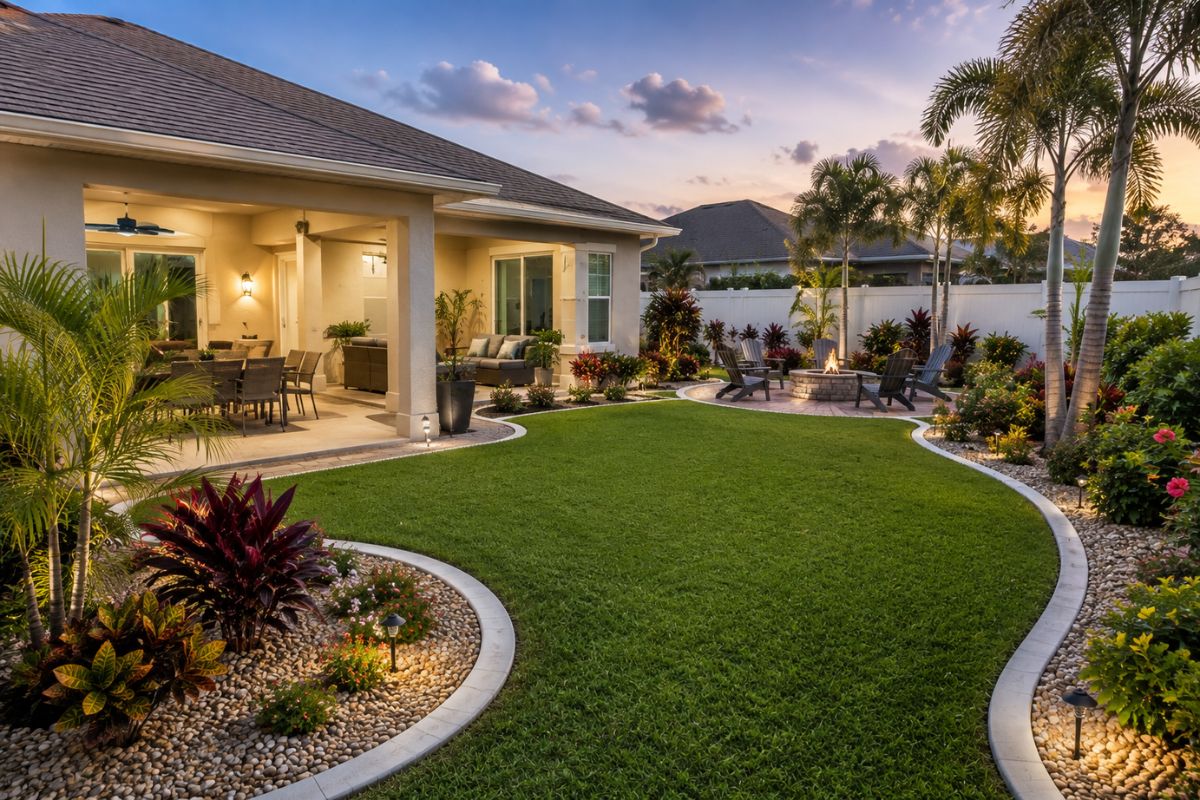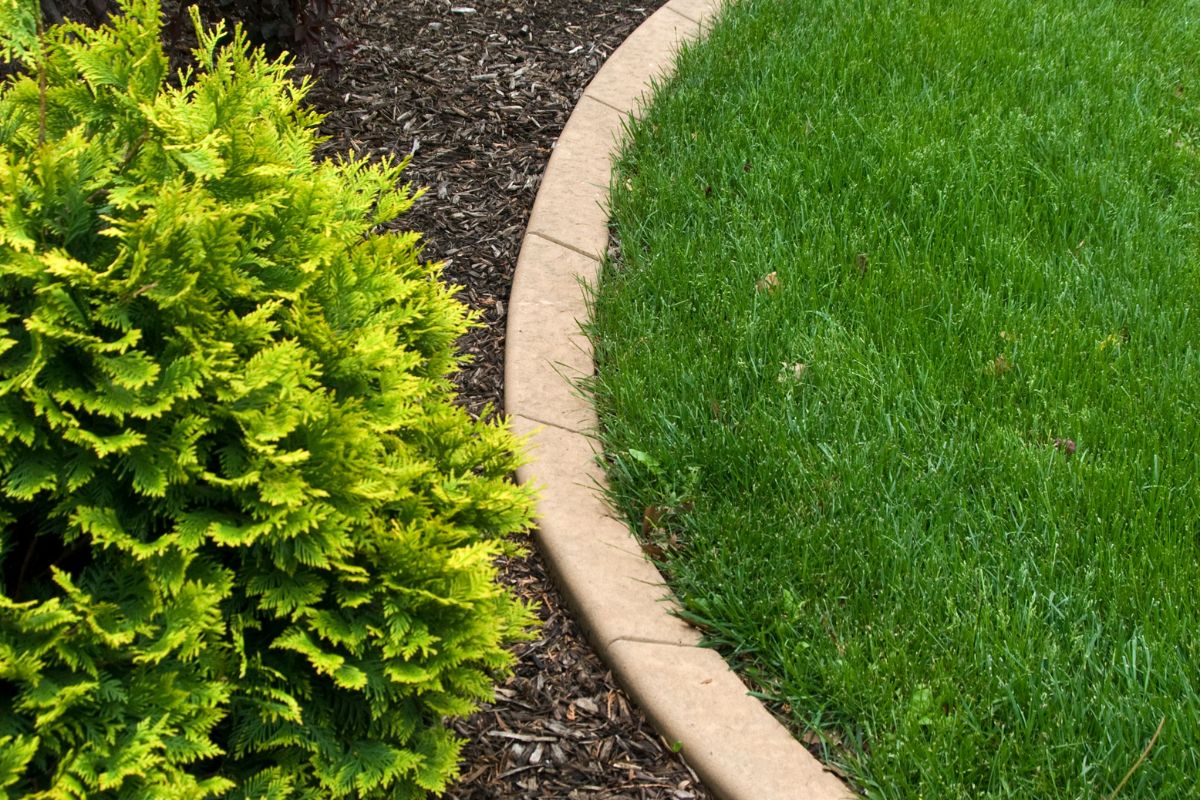
A good garden border does more than tidy a yard. It marks bed lines, holds mulch in place, keeps grass out, and gives paths and planting areas a clear edge. The best garden borders fit your style, budget, soil, and upkeep, while also matching the shape of the space.
What makes a good border material?
The right garden border material solves a real problem and still improves the look of your yard. If turf creeps into beds, you need firm garden edging. If you want a softer look, decorative borders for gardens may be a better fit than a heavy wall. The best edging for gardens balances looks, strength, install time, and long-term use.
Before you buy, ask what the border must do. A planter border for herbs is not the same as pathway edgers beside gravel. A garden barrier on a slope also needs more hold than a simple edge.
- Do you want a visible outdoor border or a hidden edge?
- Is the bed straight, curved, raised, or uneven?
- Will mower wheels or trimmers hit it?
- Does it need to hold mulch, gravel, soil, or spreading grass?
- Do you want easy to install garden edging, or are you fine with more digging?
Common materials for garden edging
There are many types of garden edging. A few stand out because they work in many yards.
Metal edging
Steel or aluminum gives a clean line. It is often the best landscape border for neat beds and modern spaces. It can handle straight runs and soft curves. Many homeowners also see it as the best lawn edging when they want a sharp line between turf and beds.
Metal is slim and durable. It looks less bulky than brick or stone. The main job is careful install. If the line is uneven, you will notice it right away.
Stone
Stone borders feel natural and last a long time. Fieldstone, cut stone, and small boulders create an outdoor border that blends with plants. Stone works well near trees, entry beds, and slopes.
Stone can be one of the best landscaping edging materials when texture and permanence matter, but it usually takes more work to set than lighter products. If the stones are loose, grass and weeds can slip through gaps.
Brick and pavers
Brick and concrete pavers are good for formal beds, paths, and kitchen gardens. They make a crisp line and can be set flat, on edge, or upright. For borders for gardening around vegetable beds, brick gives a tidy frame that is easy to see and keep clean.
This is also a smart choice for pathway edgers. It keeps gravel and mulch from drifting into lawn areas and matches patios or walks well.
What is easiest to install?
The easiest landscape edging is often flexible plastic, rubber, or light composite edging. These are good for curved beds and weekend work. They bend around planting areas and need fewer tools than stone or pavers. For a fast update, they may be the best edging choice.
If you need the best flexible landscape edging, look for pieces that hold shape, sit deep, and stay in place after rain or freeze-thaw cycles. Good stakes matter. So does enough depth to block shallow roots.
Easy does not always mean best. Light edging can look uneven if the trench is poor or if it sits too high. Mark the line first, clear roots, and backfill well so the edge looks finished.
Decorative borders and style
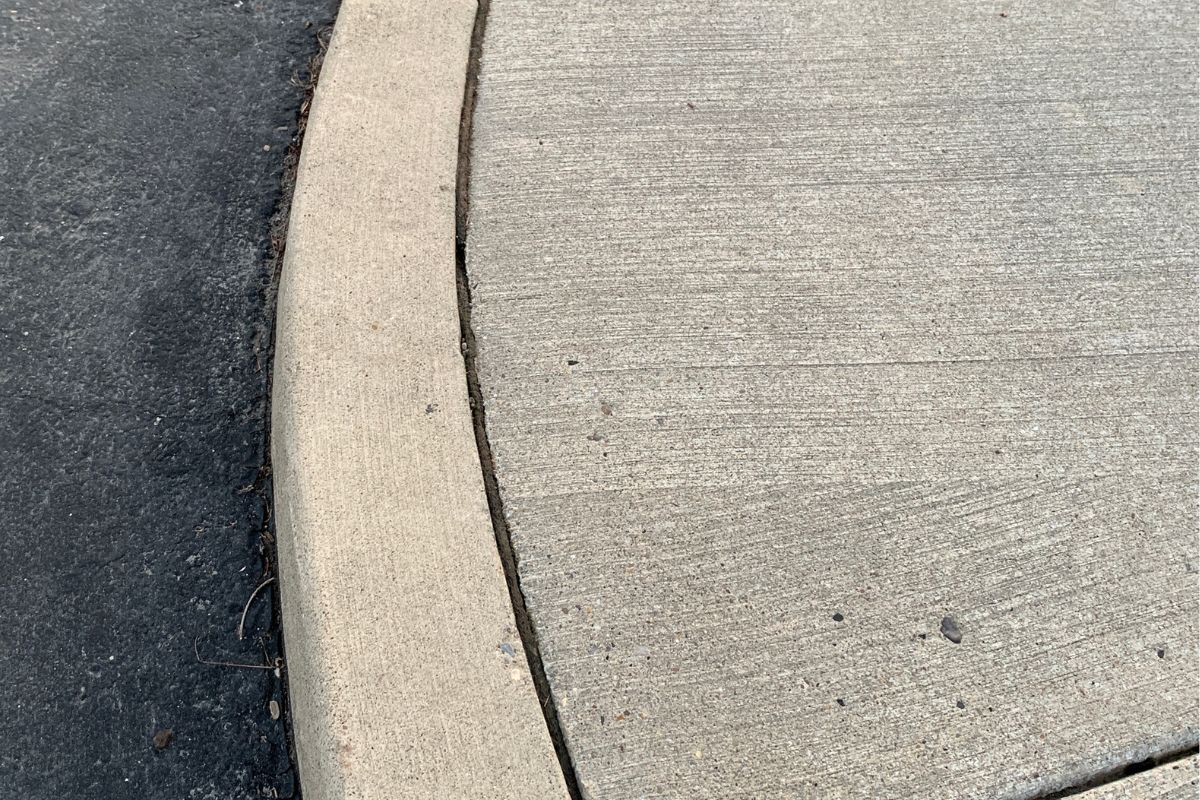
Not every border should hide in the background. Decorative borders for gardens can add color, height, pattern, or texture. They work well in front yards, courtyard spaces, and small beds where every detail shows.
Popular choices include:
- Low metal panels for a simple or classic look
- Terracotta edging for warm, Mediterranean style
- Timber or log rolls for cottage and woodland gardens
- Brick set upright for a patterned edge
- Natural stone for an organic, collected feel
A decorative border works best when it supports the plants. A low planter border can frame herbs without blocking the view. Taller edging can serve as a garden barrier, but it should still fit the size of the bed.
Match the border to the job
The best edging choice for a garden depends on the task. If you search for the best edging, best grass edging, or best garden bed edging, start with the result you want, not the material name.
For clean lawn separation, choose metal, deep plastic, or brick set firmly into the ground. These help reduce turf creep and create a mowing edge. For curved flower beds, flexible composite or metal is often better than rigid pavers. For raised or mulched beds, stone, timber, or stacked block can add height and hold.
If you want a natural look, stone and wood blend well with planting. If you want a crisp modern look, metal and concrete pavers are stronger choices. If budget and speed matter most, easy to install garden edging may be the best garden edge material for the job.
Quick checklist before you buy
Use this list to narrow down the best garden borders for your space:
- Map the edge first: Use a hose, rope, or paint to test the shape.
- Measure with extra room: Curves use more material than you may expect.
- Check the soil: Rocky or root-filled soil can make rigid edging harder to install.
- Think about upkeep: Pick edging that works with your mower, trimmer, and weeding plan.
- Match nearby materials: Repeat colors or textures from patios, paths, fences, or planters.
- Decide how visible it should be: Hidden edging should sit low. Decorative edging can stand taller.
- Plan for movement: Some materials shift over time, so staking, trenching, and bedding matter.
Installation matters as much as material
Even the best landscaping edging material can fail if it is set poorly. A wavy trench, shallow depth, or loose backfill can make edging tilt or lift. Good work starts with a clear line and a steady depth.
For most garden edging, remove sod cleanly, compact the soil, set the material level, and backfill both sides firmly. With brick, stone, or pavers, a firm base helps stop sinking. With flexible edging, place stakes often enough to hold the curve smoothly.
The best choice is the one that fits your garden
There is no single best landscape border for every yard. The best garden borders are the ones that fit the garden's shape, style, and daily use. A front walk may need elegant pathway edgers. A vegetable patch may need simple borders for gardening that hold soil and mulch in place.
If you want long-lasting structure, choose metal, brick, stone, or pavers. If you want the easiest landscape edging for a quick update, flexible edging may be the better move. Choose the material that makes your yard easier to care for and nicer to look at, and the border will feel like part of the design.
Q&A
What is the most important factor when choosing a garden border material?
Short answer: The main factor is what the border needs to do in your space. A border that keeps lawn out of flower beds should be strong and set well. A decorative border can focus more on style and texture. The best choice balances function, looks, strength, install effort, and care.
Which edging is best for curved beds?
Short answer: Flexible edging, such as plastic, rubber, composite, or some metal edging, is usually best for curved beds. It follows flowing shapes more easily than rigid brick, stone, or pavers. For best results, stake it well and backfill firmly.
Is easy to install edging always the best option?
Short answer: Not always. Easy to install garden edging can be a smart pick for quick jobs, curved beds, or low-cost updates. But it may not match the look or long life of metal, stone, brick, or pavers.
What works best for a clean line between lawn and beds?
Short answer: Metal edging, deep plastic edging, and brick set firmly in the ground are strong options for best grass edging. They help reduce turf creep, define the mowing edge, and keep beds tidy.
Why does installation matter as much as the material?
Short answer: Even a strong border can fail if it is installed badly. A shallow trench, loose backfill, or weak stakes can make edging shift, lift, or stop holding mulch. Careful prep and steady depth help it last.