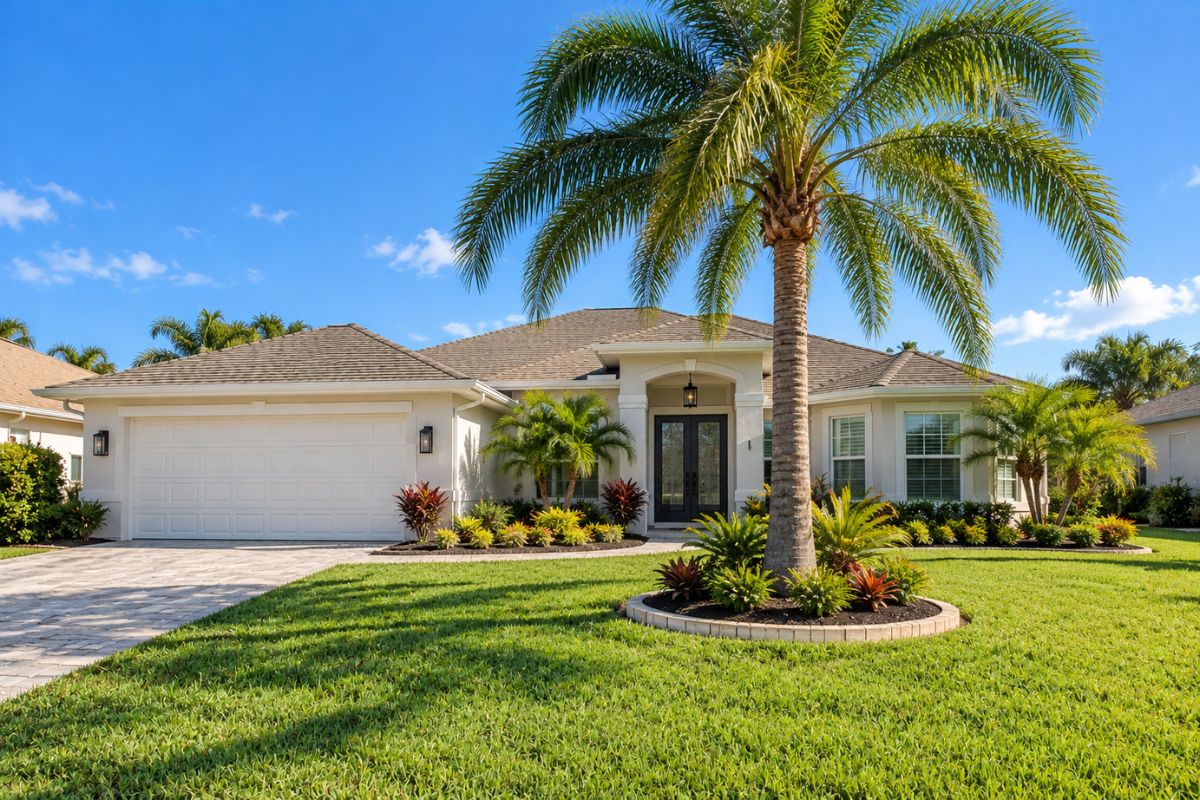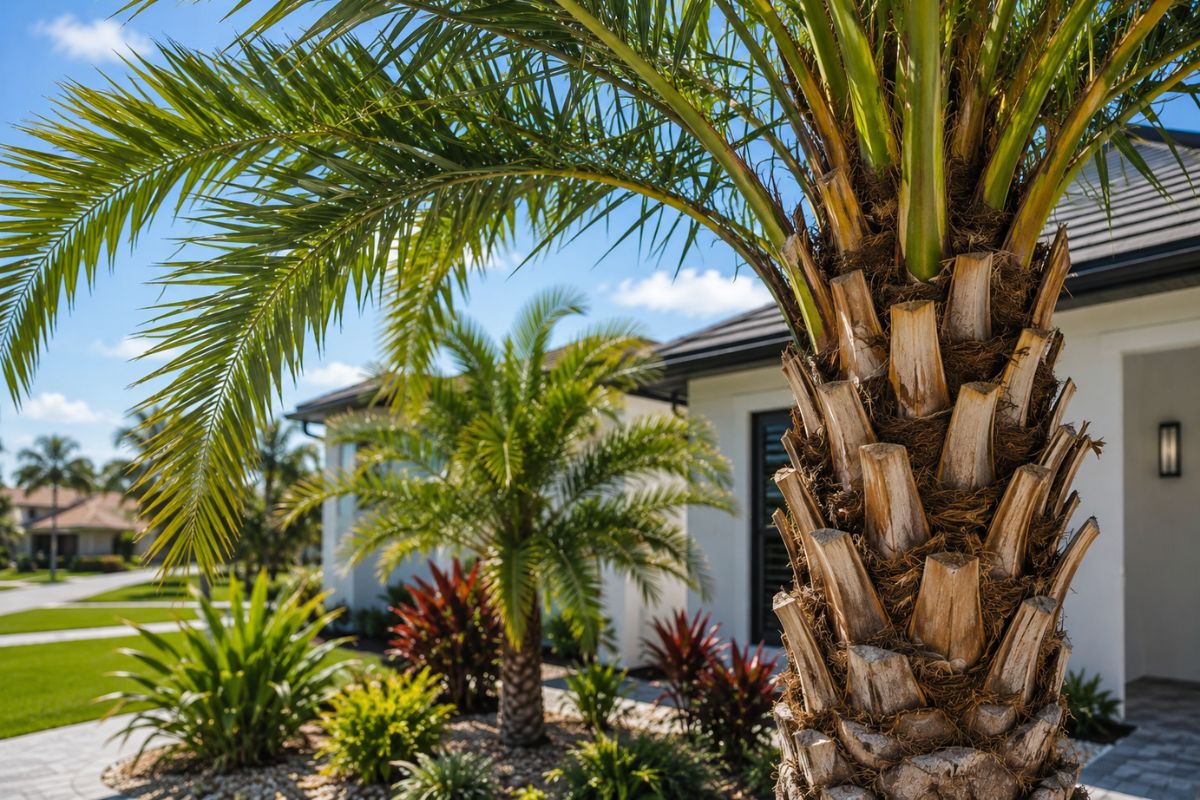
A strong landscape starts before planting day. It starts with the right palm tree company. The best palm tree company does more than deliver a tree. It helps you choose the right species, checks tree health and origin, and handles install and aftercare so your palms can grow well for years. If you are comparing a palm tree nursery near me or shopping for palm tree installation services, this guide can help you make a smart choice.
What a Quality Palm Tree Supplier Should Provide
Not all suppliers work to the same standard. A reputable palm tree company will offer clear facts, plant knowledge, and a simple plan for delivery and install.
Look for these essentials:
- Healthy inventory: green fronds, no soft spots on the trunk, no foul odor, and few leaf spots
- Clear identification: species name, mature height, sun needs, and growth rate
- Sourcing details: ask about sustainable palm tree sourcing such as legal harvesting, nursery-grown stock, and safe transport
- On-site check: soil, drainage, sunlight, wind, and irrigation fit
- Warranty and aftercare guidance: survival guarantees where offered and written care steps
If you are in Florida and searching for a palm tree company Port Charlotte FL, choose suppliers who know local soils, coastal wind, and storm prep. They should also be able to help with permits for larger specimen palms.
Questions to Ask Before You Buy
A supplier's answers will show whether they know their work or are only moving stock.
Ask:
- Which species fit my site conditions? Consider sun or shade, salt exposure, and drainage.
- What is the palm tree water requirement for this species, especially during establishment?
- How was the palm grown and prepared for transport? Field-dug or container-grown?
- Do you offer install, staking, and irrigation setup?
- Do you share guidance on pests, feeding, and pruning schedules?
A strong provider will explain tradeoffs like cost, growth speed, and cold tolerance. They will not just push one popular palm for every yard.
Matching Palms to Your Goals: Speed, Style, and Site Fit
Before you choose a palm, decide what you want it to do in the landscape. Do you want privacy, a driveway frame, shade, or a tropical focal point?
Best Palm Trees for Landscaping, by Use Case
- Entry statement: tall species with neat crowns
- Poolside and patios: palms with less messy fruit or flower drop
- Privacy screens: clumping or multi-stem types
- Low-water areas: drought tolerant palm tree varieties that need less irrigation once rooted
What Palm Trees Grow Fastest?
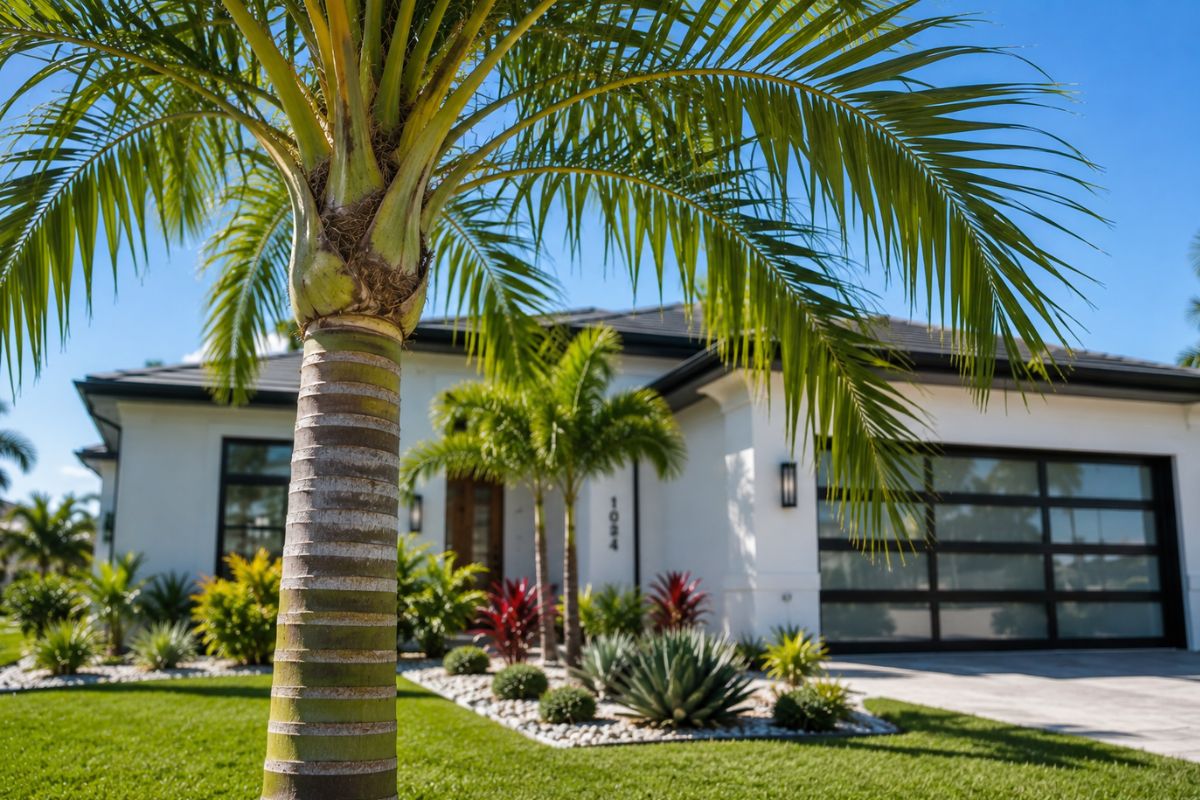
Fast growth can look great, but it may also mean a higher need for water and food in the first few years. Ask your supplier for a realistic growth estimate based on your climate, soil, and care plan. If you want quick visual impact, larger specimens can help, but plan for a higher cost to install palm trees.
Areca Palm vs Queen Palm: Which Is Better?
This question comes up often because both are common in warm climates.
- Areca palm: often used for screens; gives a dense, lush look; may need more regular care to stay tidy
- Queen palm: has a taller, more open canopy; can look dramatic in rows; often needs careful placement to manage fruit drop and wind exposure
A trustworthy supplier will match the tree to your goal, care level, and site conditions. They should not just sell what they have most of in stock.
Installation Matters: Don't Let a Good Palm Fail
Many palm problems start with poor planting and weak early care. If you are hiring a contractor for port charlotte palm tree install or any local install, focus on the process, not just the price.
What Professional Palm Tree Installation Services Should Include
- Correct equipment to avoid trunk damage
- Proper planting depth, since planting too deep is a common failure point
- Backfill best practices and basin shaping for watering
- Stabilization or staking only when needed, then removed on schedule
- A written establishment plan with watering and monitoring
Palm Tree Transplanting Tips if You Are Moving Existing Palms
Transplanting can work, but palms are less forgiving than many trees. Ask for:
- Root ball sizing that fits trunk diameter
- Little time out of the ground
- An immediate watering plan and stress reduction steps
- Post-move checks for spear pull, nutrient issues, or canopy decline
A quality palm tree company will be honest about success odds based on species, season, and size.
How to Plant Palm Trees, in Simple Steps
Even if you plan to hire help, knowing the basics helps you judge the work.
Key steps:
- Choose the right spot: confirm sunlight, clearance from power lines, and drainage
- Prep the hole: make it wide enough for the root ball; do not plant deeper than the palm was already growing
- Set and align: turn the best face toward the main viewing angle
- Backfill and water in: settle soil with water to reduce air pockets
- Mulch smart: keep mulch away from direct trunk contact
- Establishment watering: follow a species-specific schedule based on palm tree water requirement
If your supplier cannot explain these steps clearly, keep shopping.
Care After Installation: The Real Difference Between Surviving and Thriving
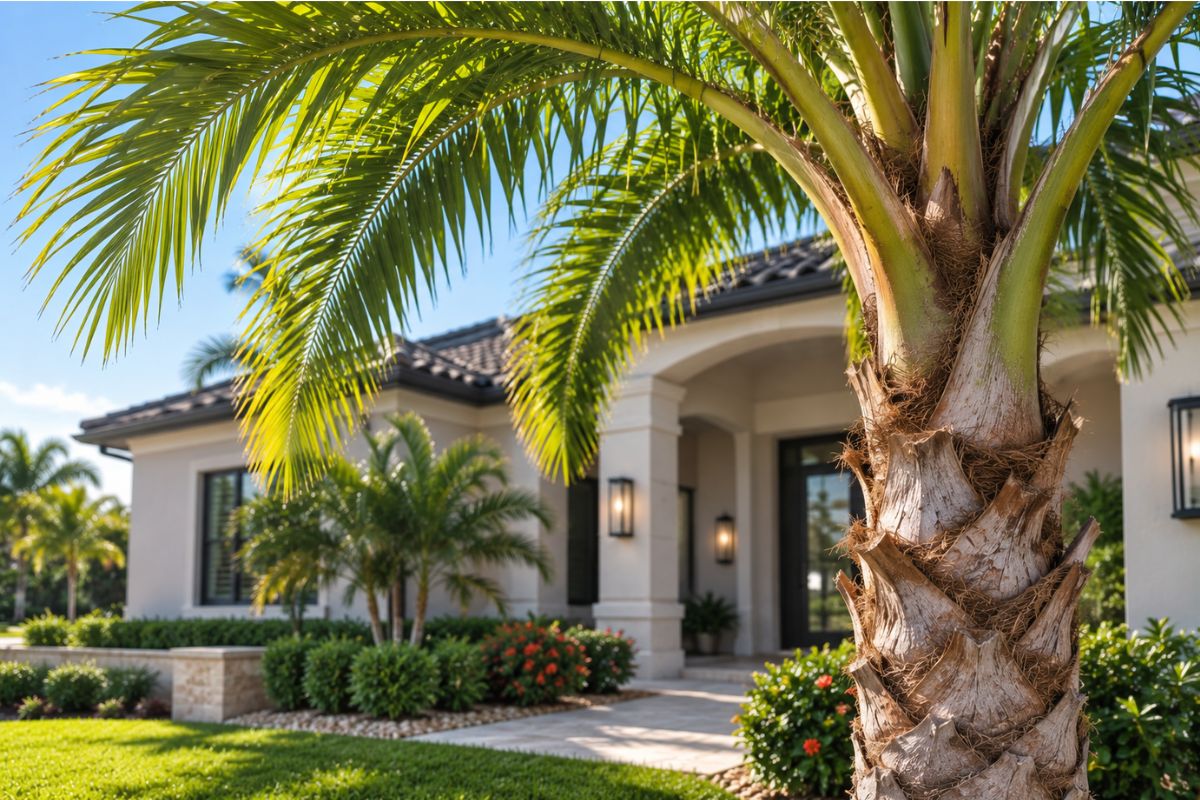
A reliable supplier will provide a care plan. Strong palm tree care and maintenance includes water management, nutrition, pruning, and pest monitoring.
Watering: Getting Palm Tree Water Requirement Right
Most palms need steady moisture while they settle in. After that, they do better with deeper, less frequent irrigation, depending on species and rainfall. Too much water can be just as harmful as too little, especially in soils that drain poorly.
Ask your supplier for:
- Week-by-week watering guidance for the first 60--90 days
- Seasonal changes
- Signs of too little or too much water for your palm variety
Palm Tree Pruning vs Trimming: What's the Difference?
These terms are often used as one, but the intent matters:
- Pruning should remove only dead, diseased, or hazardous fronds
- Trimming often means cosmetic shaping, which can lead to over-removal
Over-trimming stresses palms and can increase nutrient problems. A good provider will recommend careful pruning and safe timing.
Pest Control for Palm Trees
Your supplier should help you spot risks and prevention steps. Effective pest control for palm trees usually includes:
- Routine inspection of the crown, spear, trunk, and fronds
- Sanitation, including clean tools and proper disposal of infected material
- Correct feeding, since too much or too little can worsen pest pressure
- Early action with the right treatment when needed
If a supplier dismisses pest concerns or cannot name common local problems, treat that as a red flag.
Cold, Wind, and Seasonal Planning
Even warm-region landscapes can face harsh weather. If you are outside South Florida—or you have had surprise cold snaps—ask about palm trees for cold climates and seasonal protection.
Winter Protection for Palm Trees
For marginal climates, your supplier should advise on:
- Choosing cold-tolerant varieties for your USDA zone
- Microclimate placement, such as south-facing walls and wind cover
- Temporary frost protection methods for young palms
If your area has real winter risk, species choice matters much more than most people think.
Pricing and Value: Understanding the Cost to Install Palm Trees
The cost to install palm trees can change a lot based on size, species, site access, and labor needs. A low quote may leave out the items that keep the tree alive.
What should be itemized in a quote:
- Palm size or specimen grade and quantity
- Delivery fees and equipment, such as a crane or skid steer
- Soil amendments, mulch, and staking materials
- Irrigation changes
- Cleanup and hauling
- Warranty terms and exclusions
A higher-priced supplier can still be a better value if they lower replacement risk and give solid aftercare guidance.
Local Advantage: Why Nearby Can Mean Better Results
Searching for palm tree nursery near me is about more than convenience. Local nurseries and installers often provide:
- Better acclimated stock
- Faster scheduling for replacements or warranty visits
- Region-specific advice on irrigation, soil, and storm prep
If you are comparing providers for palm tree company Port Charlotte FL, ask how often they install in your neighborhood and which palms do best in local conditions.
Quick Checklist: Choosing the Right Palm Tree Company
Use this as a final filter:
- Can they explain species fit, not just sell inventory?
- Do they follow correct planting depth and handling practices?
- Do they give clear watering and maintenance instructions?
- Do they talk about pests, feeding, and pruning standards?
- Can they support long-term success with sustainable sourcing and realistic expectations?
Takeaway
Choosing the right supplier is the best way to protect your investment in palms. The ideal palm tree company combines healthy, responsibly sourced inventory with expert selection, professional install, and practical aftercare. That way, your landscape looks good now and stays strong through seasons, storms, and growth.
Estimated article body word count: ~1,420 words.
Q&A
Question: How do I know if a palm tree supplier is reputable?
Short answer: Look for clear facts and plant know-how. A quality supplier offers labeled species with mature size and sun needs, shows healthy stock with green fronds and a firm trunk, shares sourcing details such as legal and nursery-grown stock, checks soil, drainage, wind, and irrigation on site, and gives warranties with written aftercare. If they cannot explain planting depth, establishment watering, or pest risks, keep shopping.
Question: What should be included in professional palm tree installation services?
Short answer: Proper equipment to prevent trunk damage, correct planting depth, good backfill and watering basin shaping, stabilization or staking only when needed and removed on schedule, and a written establishment plan that covers watering and monitoring. Skipping these steps is a common cause of failure, especially with larger specimen palms.
Question: How do I choose between Areca and Queen palms?
Short answer: Choose based on your goal and site. Areca palms work well for dense privacy screens and a lush look, but they may need more tidying. Queen palms create a tall, classic canopy and can look striking in rows, but they need careful placement to manage fruit drop and wind exposure. A trustworthy supplier will match the tree to your site conditions, care level, and goals instead of pushing what is in stock.
Question: What drives the cost to install palm trees, and what should a good quote include?
Short answer: Costs vary by species, size, site access, and labor or equipment needs. A full quote should list the specimen grade and quantity, delivery and equipment such as a crane or skid steer, soil amendments and mulch, staking materials, irrigation changes, cleanup and hauling, and warranty terms. Low bids often leave out the items that prevent failure.
Question: What early-care steps help palms move from surviving to thriving?
Short answer: Follow a species-specific watering plan for the first 60--90 days with seasonal changes, avoid too much water in soils that drain poorly, prune with care and remove only dead, diseased, or hazardous fronds, and watch for pests with routine checks, sanitation, correct feeding, and early action. Ask your supplier for clear, written guidance tailored to your palm and site.