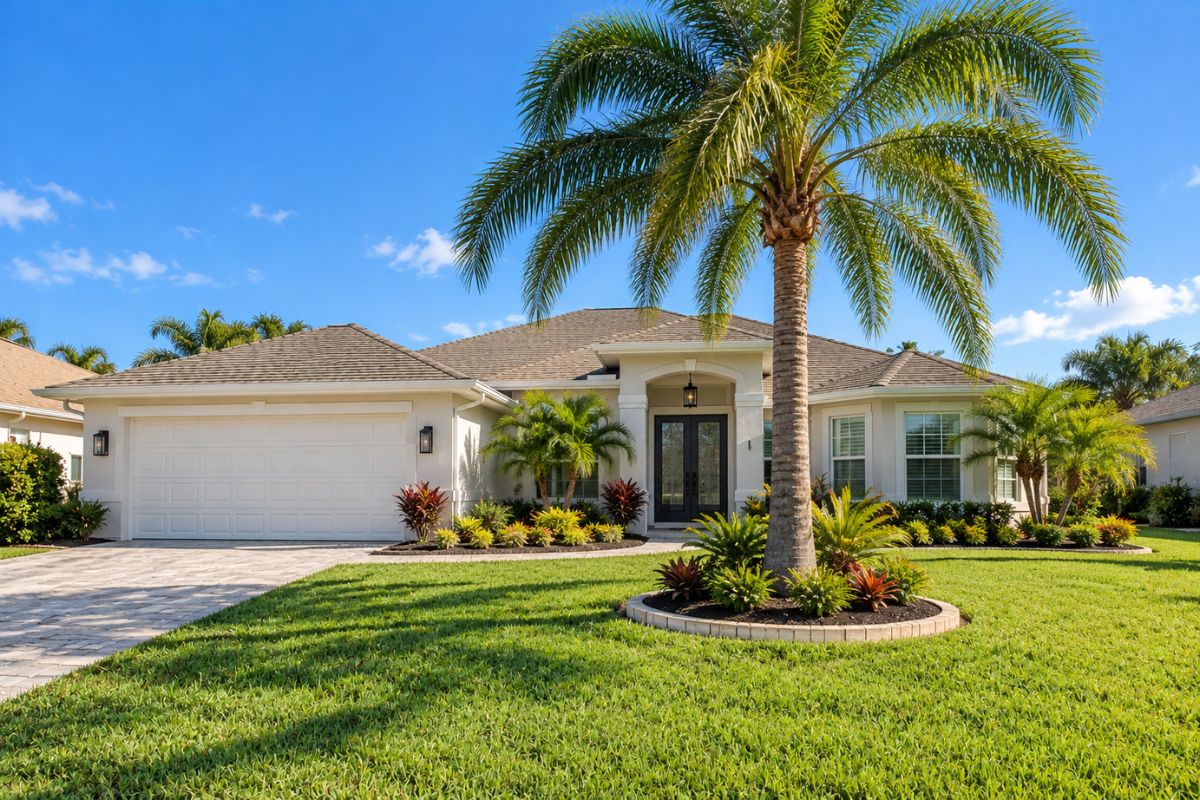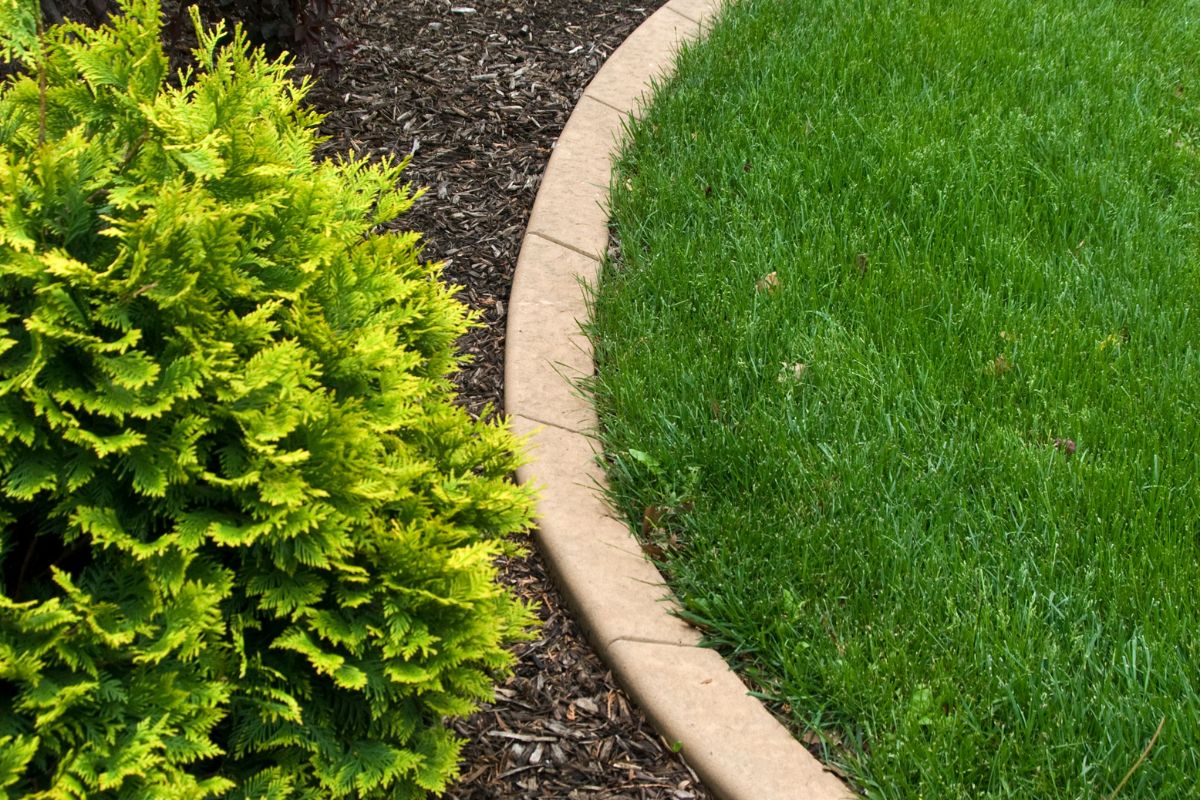
Decorative concrete curbing is a popular choice for enhancing landscape aesthetics. It adds a polished look to gardens, driveways, and walkways. But how much does decorative concrete curbing cost?
Understanding the costs involved can help you make informed decisions. Prices vary based on design, materials, and location. On average, expect to pay between $5 and $15 per linear foot.
This guide will explore the factors influencing these costs. We'll also discuss the benefits and installation considerations. Whether you're a homeowner or landscaper, this information will be valuable.
What Is Decorative Concrete Curbing?
Decorative concrete curbing is a versatile landscaping solution that provides function and beauty. It offers a unique edge to lawns, gardens, and pathways, delineating spaces with elegance. It's also known as decorative concrete landscape curbing and, in some catalogs, concrete decorative curbing.
This type of curbing is created by molding concrete into various shapes and designs. It allows for the integration of different colors, textures, and patterns. Homeowners and businesses alike favor it for its customizability and durability.
Popular applications include:
- Garden borders
- Driveway edges
- Walkway lines
With its wide array of options, decorative concrete curbing can enhance any outdoor space.
Average Cost of Decorative Concrete Curbing Per Linear Foot
The cost of decorative concrete curbing is determined by various factors. On average, you can expect to pay between $5 and $15 per linear foot. Prices vary depending on materials, design, and region. If you're wondering how much does concrete curbing cost per linear foot, most homeowners see quotes in this range, with design complexity shifting the final price.
Basic designs typically fall at the lower end of the price range. Custom or intricate patterns, such as custom concrete curbing with unique textures, are more costly. These designs require more labor and materials, driving the cost higher. If you still want more information, look at more content click here for custom curbing ideas.
Here's a breakdown of average costs:
- Basic designs: $5-$7 per linear foot
- Mid-range designs: $8-$12 per linear foot
- High-end, custom designs: $13-$15 per linear foot
Obtaining multiple quotes from contractors is essential. This ensures you get competitive pricing and the best value for your project.
Key Factors Influencing Decorative Concrete Curbing Costs
Decorative concrete curbing costs can vary widely. Several key factors influence these prices. Understanding these elements helps homeowners budget effectively.
Firstly, design complexity plays a significant role. Customization adds to the expense. Materials and decorative options also impact costs considerably. High-quality materials lead to higher expenses.
Labor is another crucial factor. Skilled installers ensure quality but come at a price. Site preparation affects both time and cost of installation. The site's condition may necessitate additional work.
Geographic location influences market rates. Some areas have higher labor costs. Local demand may also affect pricing.
Key factors:
- Design complexity
- Materials chosen
- Labor and expertise required
- Site conditions
- Geographic region
Design Complexity and Customization
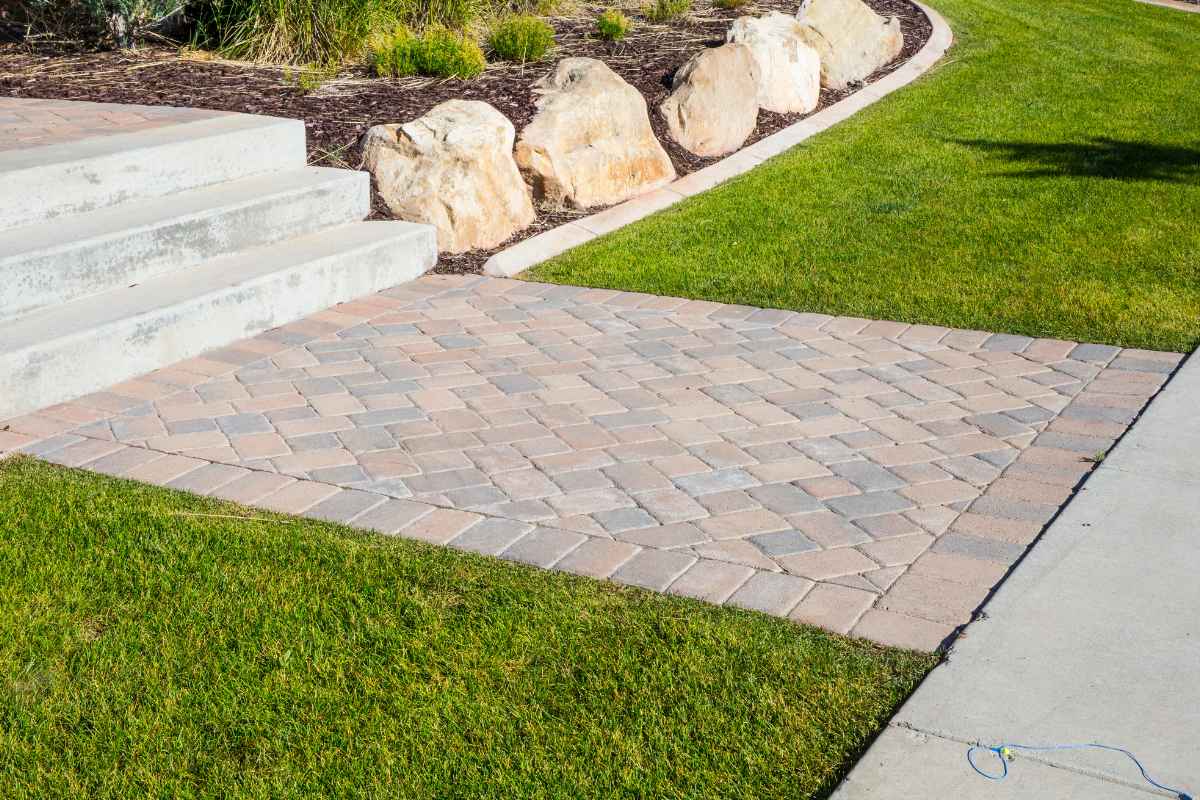
Design complexity greatly impacts curbing costs. Simple, standard designs are more affordable. Custom patterns and intricate detailing elevate the expense, especially for custom concrete curbing with specialized colors or textures.
Complexity influences labor and time needed. More elaborate designs take longer to execute. This results in higher installation costs.
Design choices impacting cost:
- Standard patterns
- Custom shapes
- Intricate details
Materials and Decorative Options
The choice of materials is crucial in cost calculation. Premium materials boost both durability and beauty. However, they raise the overall cost.
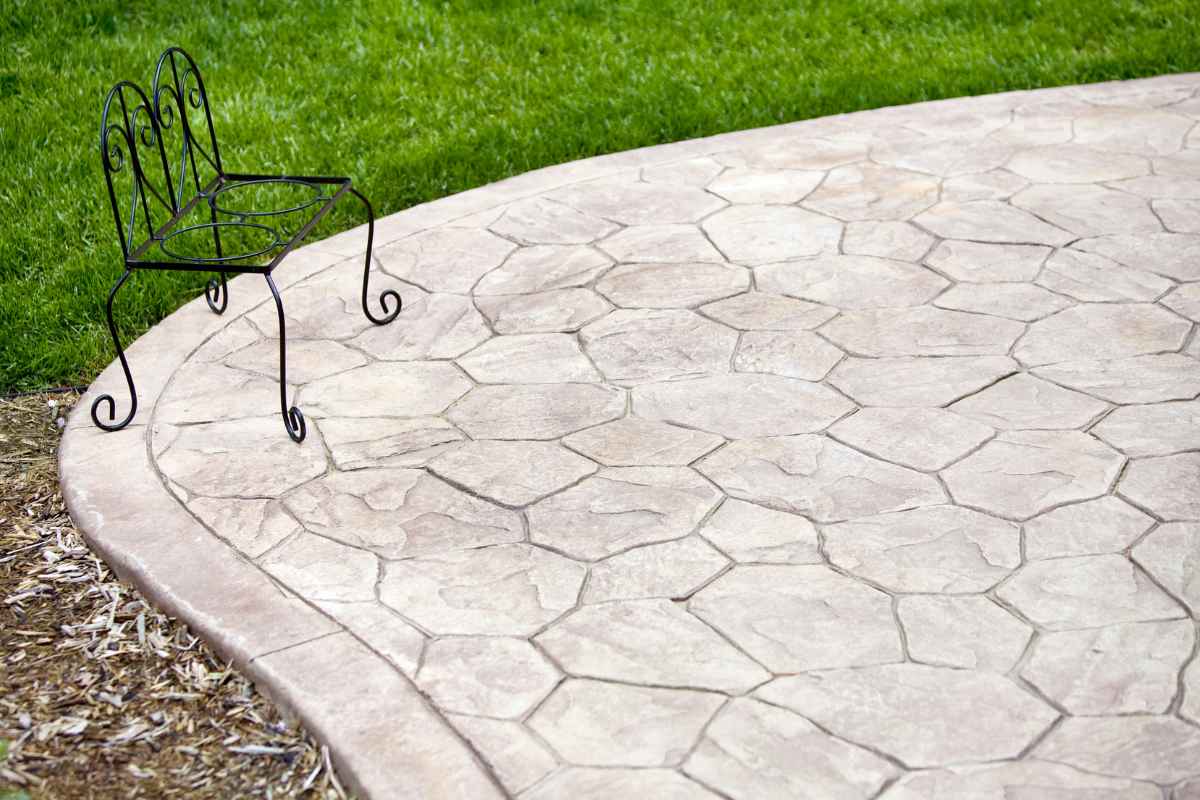
Decorative options add to the expense. Stamped or colored concrete costs more than plain. These options enhance aesthetic appeal and curb appeal.
Options affecting costs:
- Plain concrete
- Stamped patterns
- Colored finishes
Labor and Installation
Labor costs constitute a large portion of the expense. Skilled labor is essential for quality results. Experienced professionals charge more for their expertise.
Installation complexity affects labor costs. More complicated projects require more time and skills. This increases the overall cost of installation.
Labor factors include:
- Experience of workers
- Complexity of installation
- Time required for project completion
Site Preparation and Conditions
Site conditions play a crucial role in determining costs. Unprepared sites may require additional work. This can include clearing, leveling, or removing obstructions.
Additional preparation increases costs and time. Challenging ground conditions also add to the complexity of installation.
Preparation considerations:
- Site clearing and leveling
- Soil conditions
- Accessibility of site
Geographic Location and Market Rates
Geographic location impacts curbing costs. Labor rates differ between regions. Urban areas may have higher labor costs than rural locations.
Local market demand also influences pricing. Areas with high demand might see higher costs. Availability of materials can also affect prices.
In conclusion, consider all these factors. They help in making informed financial decisions and ensuring a successful project.
Comparing Decorative Concrete Curbing to Other Edging Materials
Decorative concrete curbing offers unique advantages over other edging options. Its durability is unmatched, providing long-lasting performance. Unlike wood, it doesn't rot or succumb to pests.
Concrete curbing requires minimal upkeep. It maintains its appearance with little maintenance compared to plastic or metal. While these materials might need frequent replacements, concrete stands the test of time.
The initial cost may be higher than some alternatives. However, the durability and low maintenance contribute to long-term savings. Its visual appeal adds significantly to property value as well. Some homeowners also refer to it as concrete decorative curbing when comparing products.
Advantages of concrete curbing:
- Highly durable and long-lasting
- Low maintenance required
- Improves curb appeal significantly
Concrete curbing is versatile, adapting to various landscape styles. It offers aesthetic appeal not easily matched by other materials. These factors make it an excellent choice for homeowners seeking reliability and beauty.
Benefits of Decorative Concrete Curbing
Decorative concrete curbing elevates the visual charm of landscapes. Its sophisticated design enhances the aesthetic appeal of any outdoor space. This improvement in curb appeal can also increase property value.
The durability of concrete curbing stands out. It withstands weather conditions better than many other materials. This resilience makes it a long-term investment for homeowners.
Moreover, maintenance is minimal. Regular sealing keeps it looking new for years. Unlike wood or plastic, it doesn't need frequent replacements, which saves time and resources.
Key benefits include:
- Enhanced aesthetic appeal
- Increased property value
- Long-lasting durability
Choosing decorative concrete curbing combines visual enhancement with functional longevity. It's a practical choice for both residential and commercial landscapes.
Installation Process: What to Expect
The installation of decorative concrete curbing involves several crucial steps. Understanding this process can help manage expectations and plan accordingly. Typically, it spans a few days depending on the project size.
Preparation is key. The site must be measured and marked. Afterward, workers clear and level the ground to ensure the curbing sits perfectly.
Next, forming and pouring the concrete occurs. Professionals use molds to shape the curbs. Finally, they smooth and finish the surface to match the desired style.
Key installation steps include:
- Site preparation and measurement
- Concrete pouring and shaping
- Finishing and smoothing
By knowing what to expect, homeowners can ensure a seamless installation experience. Professional guidance ensures durable and aesthetically pleasing results.
Maintenance, Longevity, and Warranties
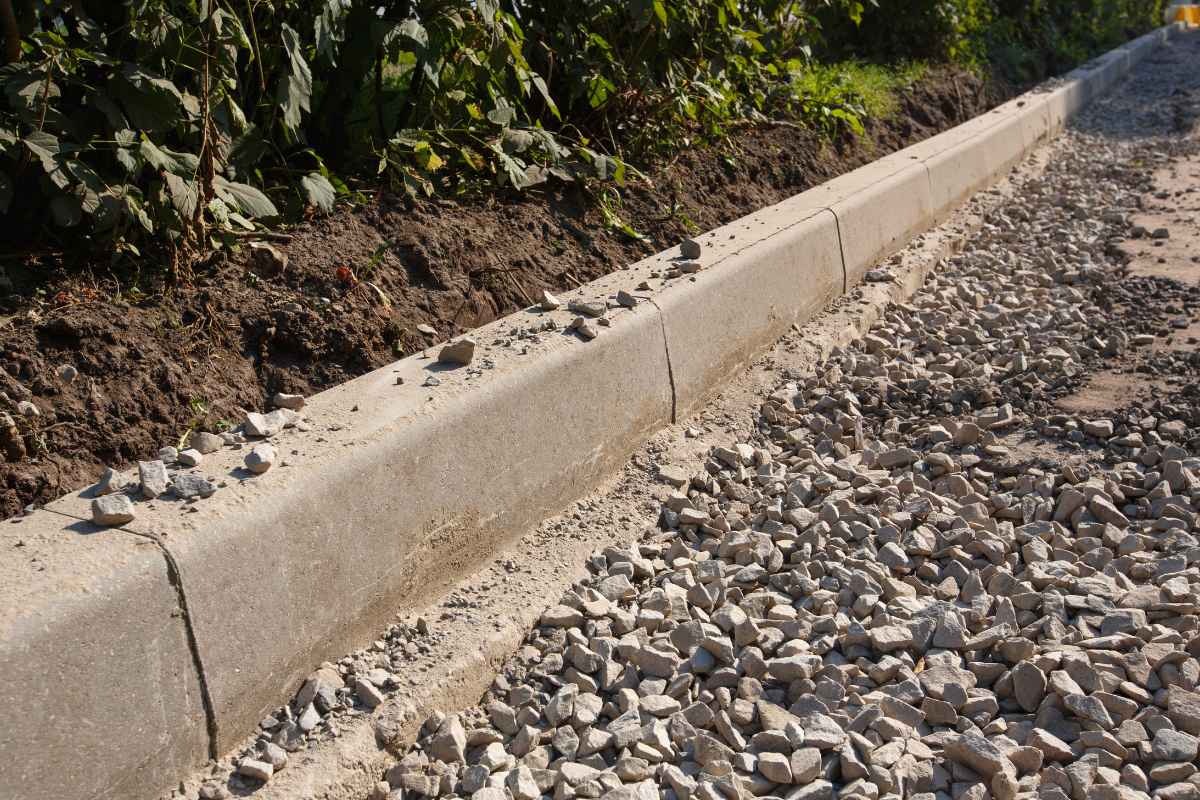
Proper maintenance can significantly extend the life of decorative concrete curbing. Basic care involves cleaning and sealing surfaces regularly. This routine helps prevent staining and color fading.
Concrete curbing, with proper care, can last over 20 years. Its durability makes it a sound investment. Some contractors offer warranties to assure quality.
Essential maintenance tips include:
- Regular cleaning to remove debris
- Periodic sealing for protection
- Immediate repair of visible cracks
Regular attention minimizes the need for costly repairs. A small maintenance effort ensures curbing stays attractive and functional for decades.
DIY vs. Professional Installation
Installing decorative concrete curbing can be a do-it-yourself project. However, success depends on skill and the right tools. DIY might save on labor costs but could compromise quality.
Professional installation offers many benefits. Experienced contractors ensure precise work and lasting quality. Though more expensive, hiring experts could prevent costly errors.
Consider these pros and cons:
- DIY saves money but risks quality
- Professionals guarantee durability
- Tools and experience are key factors
Choosing between DIY and professional installation depends on your confidence and resources. Assess your abilities before deciding.
How to Choose the Right Decorative Concrete Curbing Contractor
Selecting the right contractor is crucial for successful installation. Research thoroughly to ensure quality results and a smooth process. Look for experience and expertise in decorative concrete.
Gather recommendations from friends or online reviews. Verify credentials and past work to assess a contractor's reliability. To find local pros, try searching for phrases like "decorative concrete curbing near me," then compare ratings and portfolios.
Consider these selection tips:
- Check for proper licensing and insurance
- Review previous projects and client testimonials
- Compare quotes to ensure fair pricing
Careful contractor selection ensures a quality outcome and peace of mind. Choose wisely to enhance your property.
Frequently Asked Questions About Decorative Concrete Curbing Costs
Curious about decorative concrete curbing? Many people share similar concerns. Let's address some frequently asked questions about the costs involved.
How much does decorative concrete curbing cost per linear foot? Prices typically range from $5 to $15. This depends on design, materials, and other factors. Put simply, if you're asking how much does decorative concrete curbing cost in total, multiply the per-foot rate by your project's linear footage and adjust for complexity.
What can increase the cost? Custom designs and challenging installations often add to the expense. Keep these aspects in mind when budgeting.
Is professional installation necessary? While DIY is possible, professional work ensures longevity and quality. Consider both options based on your skill level.
When making decisions, weigh initial costs against long-term value. Good planning can maximize benefits and curb appeal.
Conclusion: Is Decorative Concrete Curbing Worth the Investment?
Decorative concrete curbing enhances both aesthetics and property value. Its durability and low maintenance make it a practical choice. Though the initial investment may appear high, the long-term savings and curb appeal justify the cost.
Whether it complements a garden or defines a walkway, its impact is significant. Choosing this option can transform landscapes with elegance and functionality. Therefore, it is indeed worth considering for many homeowners.
Contact us today to schedule your free consultation@