Designing a functional outdoor cooking area can turn your backyard into a true extension of your home. Whether you're hosting gatherings or enjoying quiet dinners outside, a well-planned space enhances both lifestyle and property value. At its core, al fresco cooking is about combining comfort, convenience, and connection with the outdoors.
Today’s outdoor kitchen ideas go far beyond a basic grill. Homeowners are creating fully integrated backyard kitchens that support cooking, dining, and entertaining in one cohesive environment.
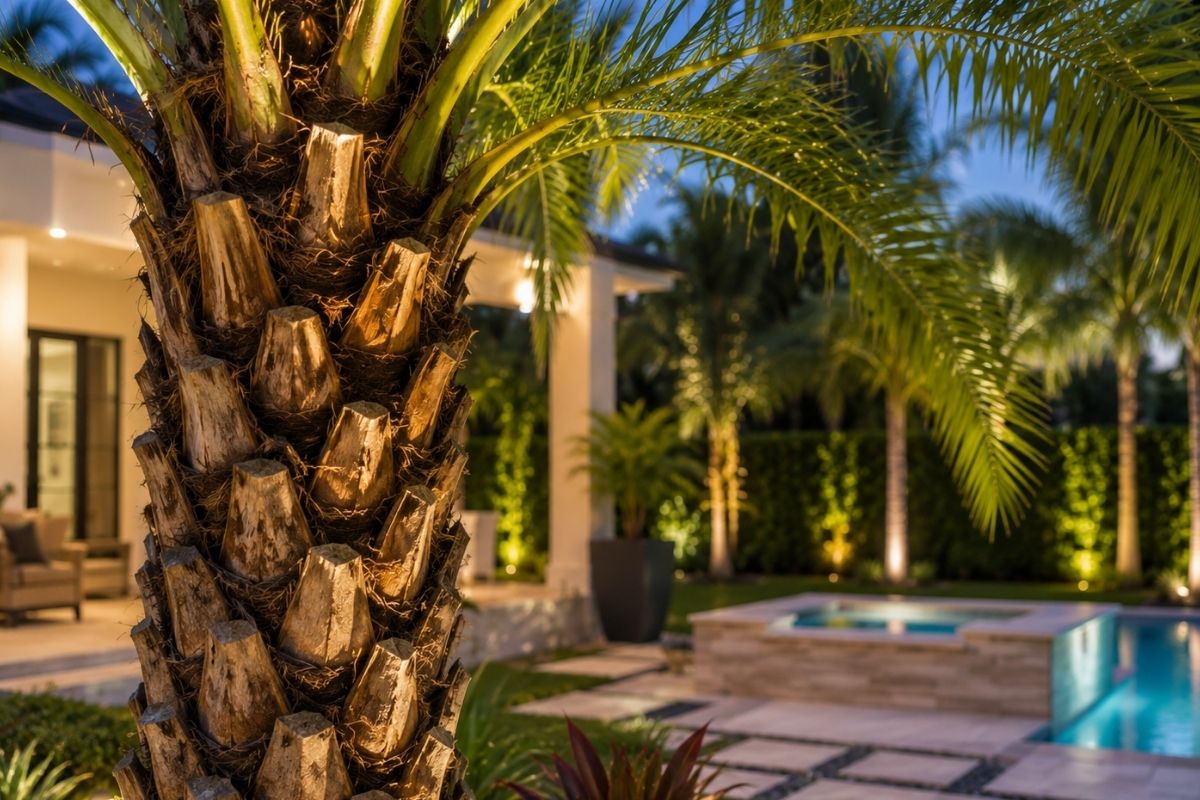
In regions like Southwest Florida, design decisions matter even more. Heat, humidity, and seasonal storms require durable materials and smart layouts that can withstand the elements while maintaining visual appeal.
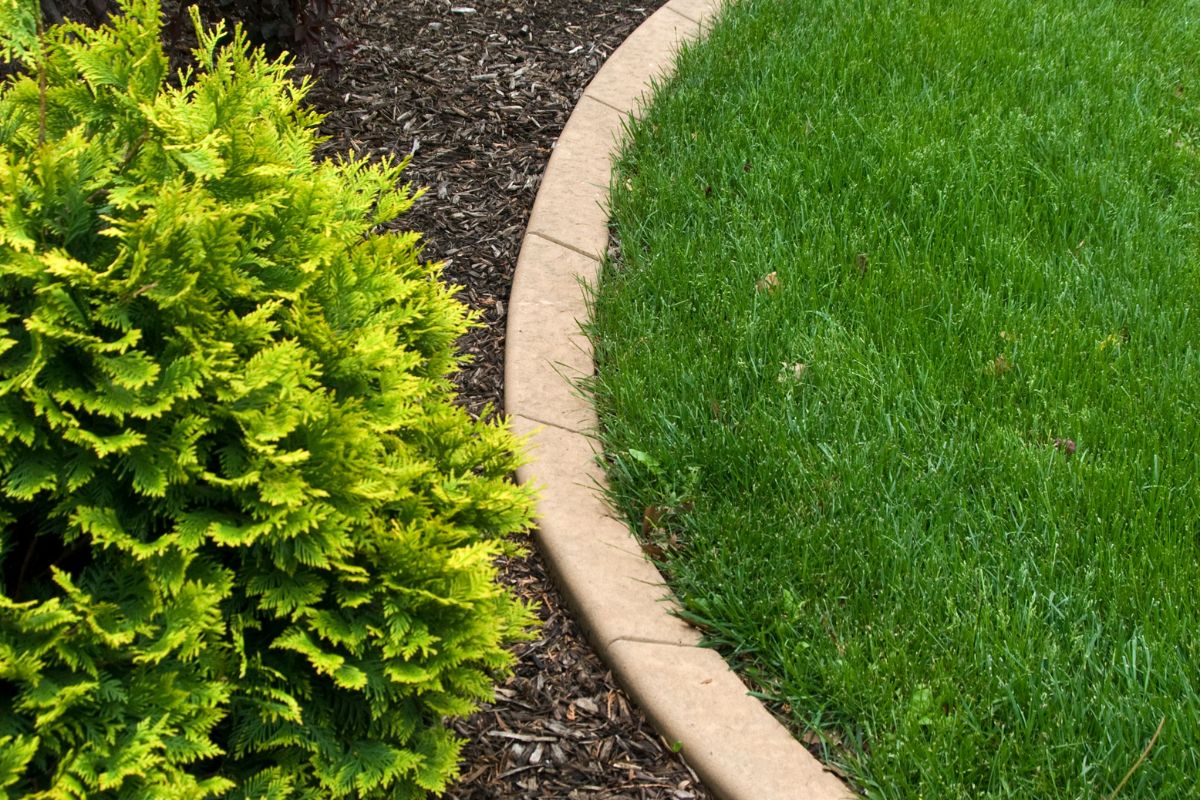
That’s where hardscaping plays a critical role. Materials like natural stone, brick, concrete, and pavers provide structure, durability, and long-term performance. When combined thoughtfully, they create a space that feels both elevated and inviting.
With the right mix of materials, lighting, shade, and personal touches, your outdoor space becomes more than functional—it becomes the centerpiece of your home.
The Power of Hardscaping in Outdoor Cooking Areas
A successful backyard kitchen starts with a strong hardscape design. It defines the layout, improves usability, and ensures the space holds up over time.
Durable materials are essential, especially in Southwest Florida outdoor kitchen designs, where moisture and sun exposure can quickly wear down lower-quality finishes.
Popular hardscaping materials include:
- Natural stone: Long-lasting with a high-end, timeless look
- Brick: Adds warmth and traditional character
- Concrete: Clean, modern, and highly customizable
- Pavers: Flexible layouts with strong durability
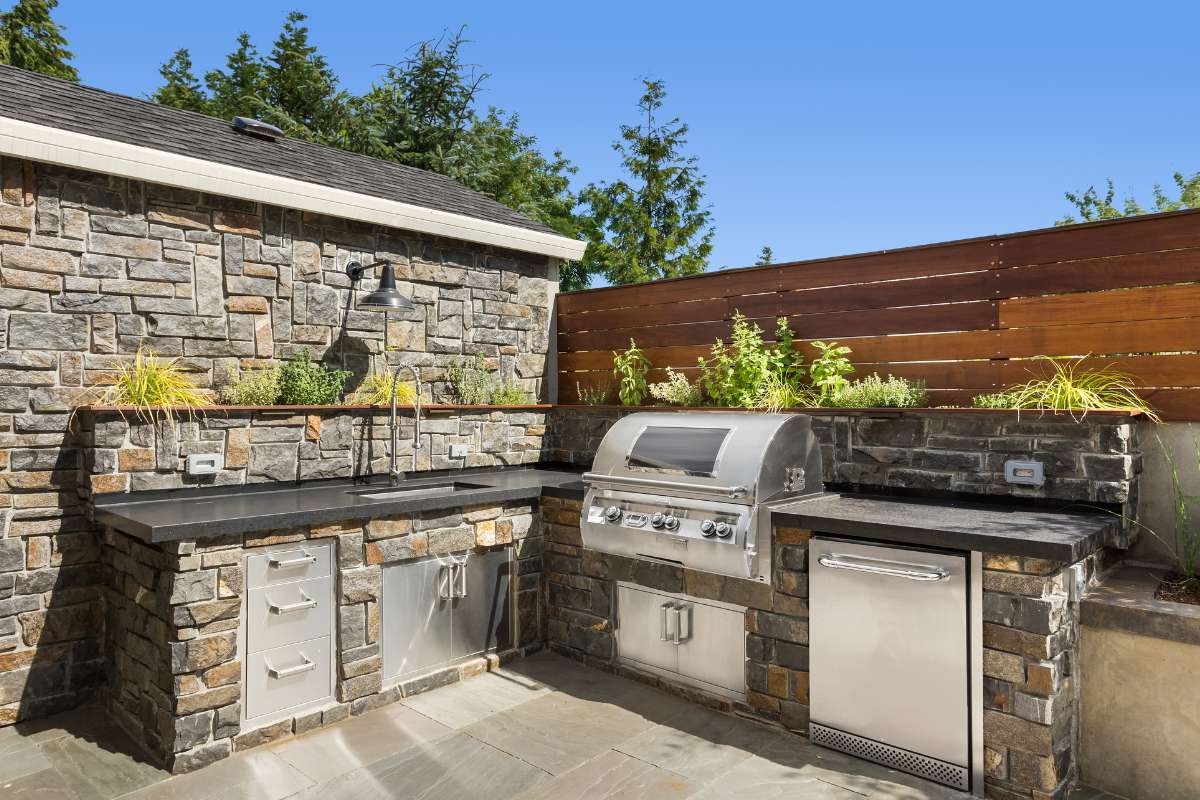
Blending these materials adds depth and visual contrast. For example, pairing stone countertops with concrete flooring creates a balanced, modern aesthetic.
Beyond looks, hardscaping improves flow by clearly defining cooking, dining, and lounging areas—making the entire space more functional.
Planning Your Outdoor Cooking Space
Every great outdoor kitchen begins with intentional planning.
Start by understanding your space and how you want to use it. A compact grilling station requires a very different layout than a full-service backyard kitchen with appliances and seating.
Key planning considerations:
- Evaluate available space and layout
- Define cooking and entertaining goals
- Prioritize essential features (grill, storage, prep areas)
- Ensure smooth movement between zones
- Consider proximity to your indoor kitchen
Climate should also guide your decisions. In Southwest Florida, choosing weather-resistant materials and planning for shade is essential for long-term comfort and durability.
Thinking ahead allows your space to evolve with your needs over time.
Inspiring Materials and Texture Combinations
Material selection has a major impact on both performance and design.
- Stone: Natural variation and durability
- Brick: Classic and inviting
- Concrete: Sleek and adaptable
- Pavers: Versatile and design-friendly
Mixing textures—such as combining rustic and modern elements—creates a more dynamic and visually appealing environment without overwhelming the space.
Outdoor Kitchen Ideas: From Simple to High-End
There’s no one-size-fits-all approach to designing a backyard kitchen.
- Simple setups: Grill with basic prep space
- Mid-range designs: Added storage, refrigeration, and counter space
- High-end kitchens: Multiple appliances, pizza ovens, bars, and sinks
Well-designed outdoor kitchen ideas focus on usability first, then enhance the experience with additional features.
Designing for Functionality and Flow
A well-organized layout makes cooking outdoors easier and more enjoyable.
Divide the space into clear zones:
- Cooking
- Preparation
- Dining
Keep the grill close to prep areas and ensure there’s enough counter space for serving. Avoid overcrowding and maintain clear pathways for safe movement.
Good flow turns a backyard kitchen into a space that feels natural and effortless to use.
Enhancing the Al Fresco Experience
Outdoor cooking is as much about atmosphere as it is about food.
Enhance the experience with:
- Fragrant plants or herb gardens
- Subtle water features
- Comfortable seating and layered textures
These details create a space where people naturally want to gather and stay longer.
Lighting, Shade, and Comfort Solutions
To maximize usability, your space should be comfortable at any time of day.
- Lighting: Combine task lighting for cooking with softer ambient lighting
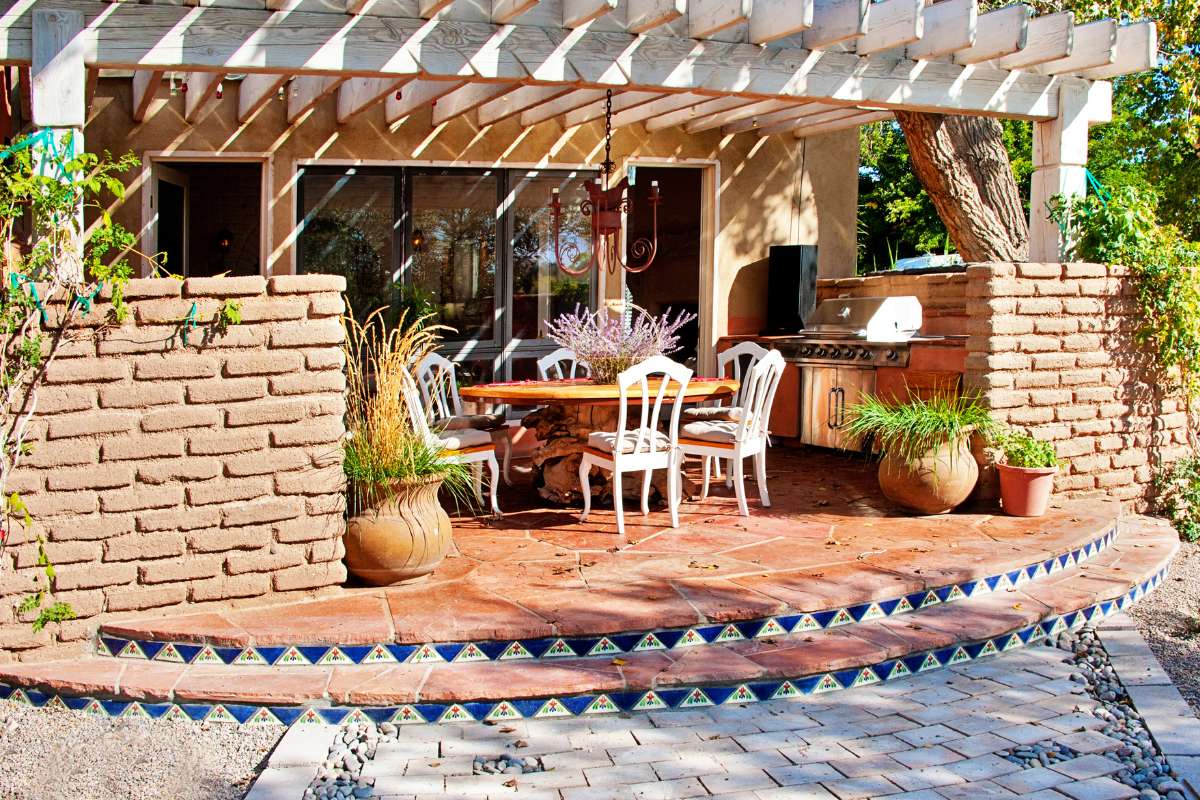
- Shade: Pergolas, awnings, or covered structures help manage sun and rain
- Seating: Choose durable, weather-resistant furniture with added comfort
These elements are especially important in Southwest Florida, where sun exposure can be intense year-round.
Personalizing Your Space
Your backyard kitchen should reflect how you live and entertain.
Consider:
- Decorative features or outdoor art
- Planters and greenery
- Layouts tailored for gatherings or family use
Small details make the space feel intentional and uniquely yours.
Sustainability and Smart Features
Modern outdoor spaces are becoming more efficient and connected.
- Use eco-friendly or recycled materials
- Choose energy-efficient appliances
- Incorporate smart technology like app-controlled grills or audio systems
These upgrades improve convenience while supporting long-term sustainability.
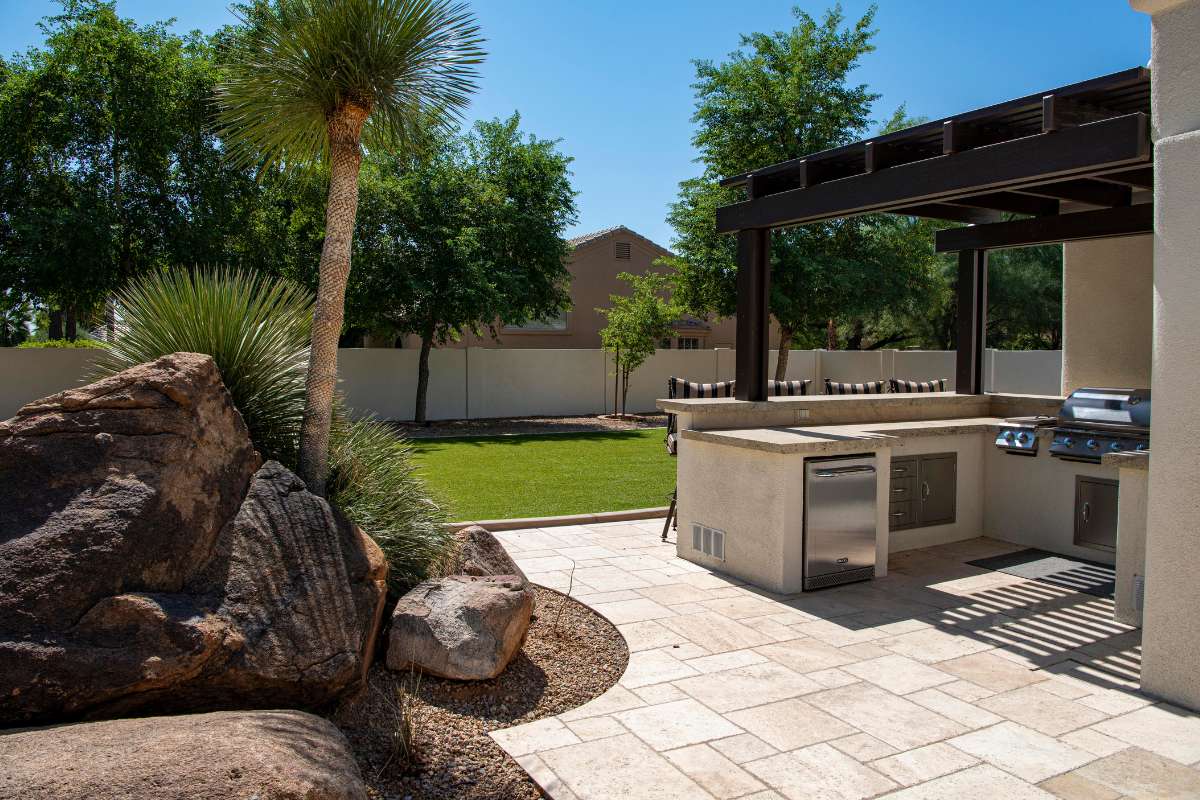
Maintenance, Safety, and Year-Round Use
Keeping your outdoor kitchen in top condition ensures lasting performance.
- Clean surfaces regularly
- Inspect appliances and materials
- Maintain clear, well-lit pathways
- Use covers or storage solutions during extreme weather
With proper care, your space remains functional and inviting throughout the year.
Conclusion: Build a Space That Fits Your Lifestyle
A thoughtfully designed outdoor cooking area combines durability, comfort, and style. By integrating smart hardscape solutions and functional design, you can create a backyard environment that supports both everyday living and entertaining.
For homeowners in Southwest Florida, the right materials and layout make all the difference in ensuring long-term performance and enjoyment.
Whether you’re starting simple or planning a fully equipped setup, the goal is the same: create a space where cooking, connection, and outdoor living come together seamlessly.
Frequently Asked Questions
What is the best layout for an outdoor cooking area?
The best layout separates your space into three zones: cooking, prep, and dining. Keeping the grill close to prep surfaces improves efficiency, while maintaining clear pathways ensures safety and ease of movement. A well-planned layout makes your outdoor cooking area more functional and enjoyable for everyday use and entertaining.
What materials are best for outdoor kitchen construction in Southwest Florida?
In Southwest Florida, materials must withstand heat, humidity, and rain. Natural stone, concrete, brick, and high-quality pavers are ideal because they resist moisture and temperature changes. Choosing weather-resistant materials helps your outdoor kitchen maintain its durability and appearance over time.
How much does it cost to build an outdoor kitchen?
Costs vary depending on size, materials, and features. A basic setup with a grill and prep space may start in the lower range, while a fully equipped outdoor kitchen with appliances, storage, and custom hardscaping can be a larger investment. Planning your must-have features first helps control costs and maximize value.
Do outdoor kitchens increase home value?
Yes, a well-designed outdoor kitchen can increase property value, especially in warm climates where outdoor living is a major selling point. In areas like Southwest Florida, buyers often look for functional outdoor spaces, making a backyard kitchen a strong long-term investment.
What features should I include in an outdoor kitchen?
Essential features include a grill, prep space, and storage. Additional upgrades like refrigerators, sinks, pizza ovens, and bar seating can enhance functionality and entertainment value. The right features depend on how often you cook and host outdoors.
How do I protect my outdoor kitchen from weather?
Protection starts with durable materials and smart design. Adding shade structures like pergolas or covered patios helps reduce sun exposure and rain impact. Using weather-resistant finishes and covering appliances when not in use will extend the life of your outdoor kitchen.
Can I use my outdoor kitchen year-round?
Yes, especially in climates like Southwest Florida. With proper shade, lighting, and ventilation, your outdoor cooking space can be used throughout the year. Adding fans or heaters can further improve comfort depending on seasonal conditions.
What is the difference between hardscaping and landscaping in outdoor kitchens?
Hardscaping refers to non-living elements like stone, pavers, and concrete that create the structure of your outdoor kitchen. Landscaping includes plants, grass, and greenery. Both work together to create a balanced, functional, and visually appealing outdoor space.
Are outdoor kitchens high maintenance?
Not necessarily. With the right materials and routine cleaning, maintenance is minimal. Regularly wiping down surfaces, checking appliances, and protecting materials from extreme weather will keep your outdoor kitchen in excellent condition.
How long does it take to build an outdoor kitchen?
The timeline depends on the complexity of the project. Simple setups may take a few days, while custom outdoor kitchens with hardscaping, utilities, and built-in features can take several weeks. Proper planning helps avoid delays and ensures a smoother build process.