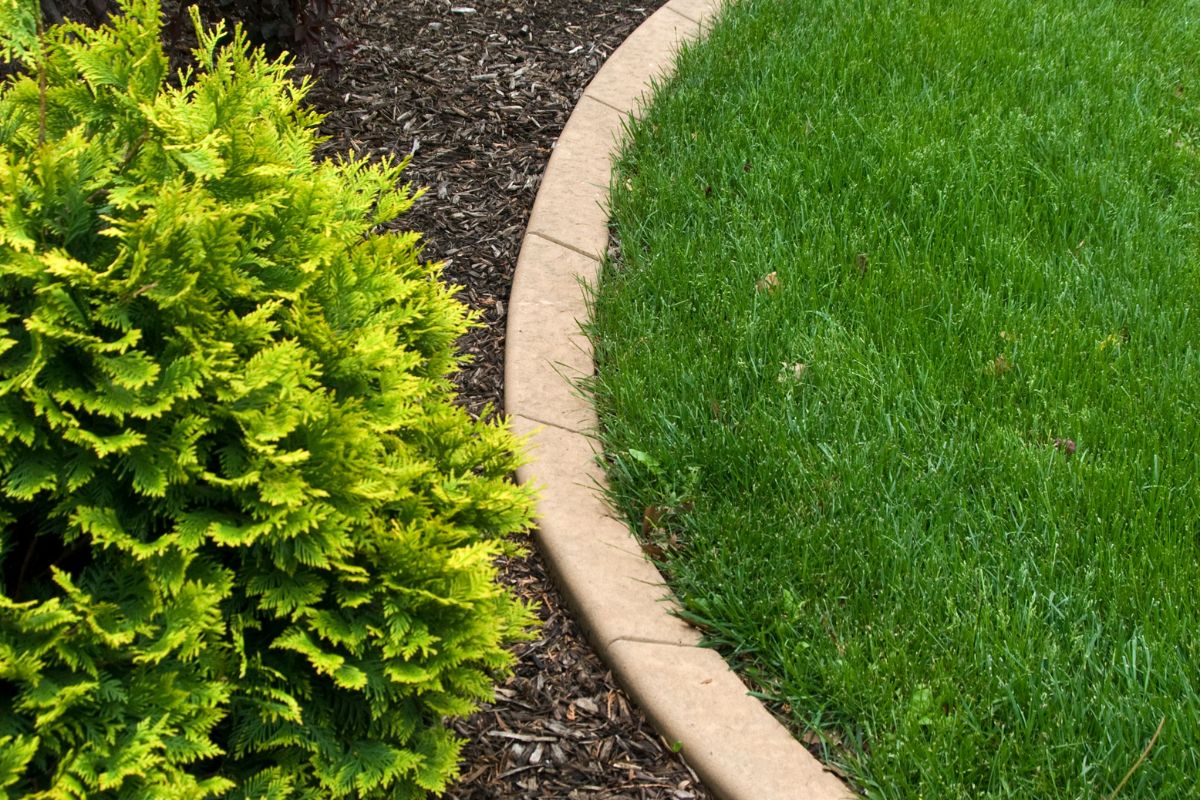
Landscape curbing gives garden beds a clean, durable edge. It helps lawns, mulch, gravel, and planting areas stay where they belong. It can also make yard care easier and give the space a finished look around flowers, trees, paths, and outdoor living areas.
If you are comparing professional concrete border installation or researching do it yourself curbing, the right path depends on your layout, budget, tools, and comfort with concrete work.
What makes landscape curbing useful in Port Charlotte FL?
Landscape curbing creates a clear separation between lawn and planting areas. That helps the garden look organized and easier to maintain. Instead of redefining soft edges with a shovel or trimmer, a concrete border gives you a stable line for mowing, groundcover, and bed shape.
It also supports the design of the garden. Straight lines can make a front yard look crisp and formal. Soft curves can make flower beds and tree rings feel calmer and more natural. Because concrete can be shaped, colored, and textured, landscape curbing can stay simple or become a strong design feature.
Cleaner edges mean easier maintenance
One of the biggest benefits of a concrete mow curb is simpler lawn care. When the curb is set at the right height and width, mower wheels can often ride along the edge, so trimming takes less time. It does not remove every chore, but it can make weekly care faster and cleaner.
Curbing also helps keep mulch, bark, pea gravel, and soil from spilling into the grass after watering, rain, or foot traffic. That matters most near walkways, driveways, patios, and busy lawn areas. Instead of sweeping materials back into place every few days, the border does part of the work for you.
Practical maintenance advantages include:
- A defined mowing line around beds and trees
- Less grass creeping into planting areas
- Better separation between lawn, mulch, gravel, and soil
- A tidier appearance after rain or irrigation
- Fewer soft edges that need frequent reshaping
A concrete border adds structure to garden design
Garden beds look more intentional when their edges are clear. A concrete border can frame colorful annuals, highlight shrubs, or follow the curve of a walkway. Even simple diy concrete garden edging can make a small bed feel more polished.
This structure helps in yards with many materials. If lawn meets mulch, mulch meets gravel, and gravel meets pavers, the space can look busy. Landscape curbing gives each zone a boundary, so the overall design is easier to read.
For homeowners planning diy landscape curbing, sketch the layout before you buy materials. Mark the line with a garden hose or rope, then check it from the street, the patio, and the main windows. Small changes are easier before any concrete is mixed.
Can DIY curbing be a good option?

DIY curbing can be a good option for small, simple projects if you are comfortable with digging, forming, mixing, placing, and finishing concrete. However, diy concrete curbing needs patience and prep, because mistakes in the base, forms, or mix can affect the finished shape and durability.
Many homeowners start by searching for phrases like how to make a cement border, how to make concrete edging, or how to make cement edging. Those searches help, but the real work comes down to a few basics: define the line, prepare a compacted base, use secure forms or molds, place concrete evenly, finish the surface, and let it cure properly.
If you are exploring diy concrete edging, diy cement edging, or diy cement garden edging, begin with a low-visibility area before you edge the most prominent bed in the front yard. A short test run can show you how quickly the mix sets, how the tools feel, and how much finishing time you need.
Planning a DIY concrete edging project
Before starting diy concrete landscape edging, think through the project from layout to cleanup. Concrete work is easier when every tool is ready before mixing begins.
A basic planning checklist includes:
- Mark the border line with paint, stakes, rope, or a hose.
- Remove sod, roots, loose soil, and debris from the curb path.
- Decide whether you will use diy concrete edging forms, flexible boards, or diy concrete edging molds.
- Plan the curb width, height, and shape before mixing concrete.
- Keep finishing tools, gloves, water, and cleanup supplies nearby.
- Check that curves are smooth and transitions look natural.
If you are wondering how to lay concrete edging, remember that the base matters as much as the visible curb. A poorly prepared trench can lead to uneven edges, weak spots, or movement over time. For diy concrete curb edging, the goal is not just to pour concrete. It is to build a stable border that follows the garden line cleanly.
Understanding the basic installation process
Homeowners often ask how to pour a concrete curb, how to make a curb, or how to make a concrete curb because the process sounds simple from a distance. In practice, success depends on doing each step carefully and not rushing the finish.
The general process for diy concrete border work is:
- Layout the shape. Mark the bed edge and adjust curves until they look balanced.
- Prepare the trench. Remove organic material and create a firm, even base.
- Set the form. Use sturdy forms or molds so the curb holds its shape.
- Mix and place concrete. Work in manageable batches and avoid overly wet mixes.
- Shape and finish. Smooth the top, round edges if desired, and add control joints where appropriate.
- Cure with care. Protect the new edge from traffic, heavy water flow, and disturbance while it hardens.
These same basics apply whether you are learning how to build a concrete border, how to make a concrete border, or how to make concrete edging around a flower bed. Larger or more decorative projects may call for professional equipment and experience, especially when long runs, color, stamping, or complex drainage are involved.
DIY or professional installation: choosing the right path
DIY concrete landscape curbing can be satisfying for hands-on homeowners, especially for small beds, vegetable gardens, or backyard areas where minor flaws are less noticeable. It also gives you full control over the pace of the project. If you enjoy practical outdoor work, diy concrete garden border projects can be a rewarding weekend upgrade.
Professional concrete border installation may be the better choice when the project is large, highly visible, or meant to match existing hardscaping. A professional crew may also be more efficient when the design includes long curves, consistent profiles, decorative finishes, or multiple connected beds. The main benefit is certainty: a trained installer can usually produce cleaner lines and more consistent results than a first-time DIY attempt.
Use this simple decision guide:
- Choose DIY for short runs, simple shapes, garden experiments, and budget-conscious projects.
- Consider professional installation for front yards, complex curves, decorative finishes, or large properties.
- Avoid rushing either option; the quality of the base, layout, and finish affects the final look.
Design ideas that make curbing look natural

The best landscape curbing looks like it belongs in the garden rather than being added as an afterthought. Match the curve style to the rest of your landscape. Formal homes often suit straighter borders, while cottage gardens and natural beds usually look better with soft, sweeping lines.
Color matters too. A plain concrete border can look clean and understated, while warmer tones may blend better with mulch, stone, brick, or earth-toned hardscaping. If you are using diy concrete garden edging, test any color or finish idea in a small section first so you can see it in natural light.
Also think about planting style. Low flowers can spill slightly over the edge for a softer look, while clipped shrubs and ornamental grasses create a more structured look. The curb gives the garden discipline. The plants bring movement and life.
Common mistakes to avoid
Even a simple diy concrete border can go wrong if preparation is weak. The most common mistake is treating the project like a quick pour instead of a small construction job. Taking time at the beginning usually leads to a better result at the end.
Avoid these mistakes:
- Making curves too tight for forms or mowing equipment
- Pouring over loose soil, roots, or uncompacted material
- Using a mix that is too wet and hard to shape
- Forgetting to plan drainage around beds and hard surfaces
- Removing forms too early or disturbing the curb before it cures
- Starting a large visible area before practicing technique
If you are new to diy concrete curbing, keep the first project modest. A small tree ring or short garden edge can teach you more than another guide on how to make a curb.
The lasting value of a well-defined garden edge
Landscape curbing is not only about appearance. It helps organize the yard, protects bed lines, supports easier mowing, and gives plantings a cleaner frame. For many gardens, that mix of beauty and function makes curbing a practical upgrade.
Whether you choose professional installation or tackle diy concrete landscape curbing yourself, start with a clear plan and realistic expectations. Learn the basics, prepare the base carefully, and choose a style that fits your garden rather than overpowering it. A thoughtful edge can make the whole landscape feel more finished, easier to care for, and more enjoyable every time you step outside.
Q&A
Is landscape curbing mainly decorative, or does it serve a practical purpose?
Short answer: Landscape curbing is both decorative and practical. It gives garden beds a cleaner, more finished look, but it also helps separate lawn, mulch, gravel, soil, and planting areas. A well-installed curb can reduce messy edges, limit material spillover, guide mowing, and make routine yard care easier.
When is DIY concrete curbing a reasonable choice?
Short answer: DIY concrete curbing is most reasonable for small, simple, low-visibility projects where minor flaws will not be a major concern. Short garden borders, backyard beds, vegetable garden edges, or a small tree ring can be good starting points. The project becomes more challenging when it involves long runs, complex curves, decorative finishes, or highly visible front yard areas.
Why is base preparation so important for concrete edging?
Short answer: The base supports the curb and affects how straight, stable, and durable the finished edge will be. If concrete is poured over loose soil, roots, debris, or uncompacted material, the curb may develop weak spots, uneven sections, or movement over time. A firm, even trench helps the concrete border follow the garden line cleanly and last longer.
How can homeowners make landscape curbing look more natural in the garden?
Short answer: Homeowners can make curbing look natural by matching the border shape, color, and finish to the overall landscape style. Straighter lines often suit formal spaces, while soft curves work well in cottage or natural gardens. Choosing colors that blend with mulch, stone, brick, or other hardscaping can also help the curb feel like part of the design rather than an afterthought.
What are the biggest reasons to hire a professional instead of doing the project yourself?
Short answer: Professional installation is often better for large, visible, or complex projects. A professional crew can usually create more consistent lines, smoother curves, and cleaner finishes, especially when the design includes multiple connected beds, decorative textures, color, stamping, or challenging drainage conditions. For homeowners who want predictable results in a prominent area, professional installation may be worth the added cost.